top of page

Barred owl
Barred Owls don’t migrate, and they don’t even move around very much. They usually don't move more than 6 miles away.
Notting hill Woods photo Gallery
These are photos taken over several years of the irreplaceable Notting Hill Woods. They represent the incredibly diverse ecosystem that thrives in this "small isolated dry woodland fragment."
 Winter Magic |  Busy WoodpeckerIn winter it often joins roving mixed flocks of chickadees, nuthatches, and other birds in the woods. |  Giant Basswood LeafBees love basswood flowers because they bloom in midsummer, when few other trees are in bloom. |  Spring Beauty Wildflower |  Curious NuthatchFamous for perching upside down. |  Nearly Sundown | 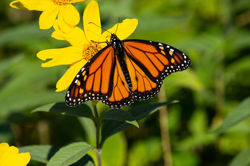 Monarch on the Edge of the WoodsSpecies of special concern. |
|---|---|---|---|---|---|---|
 High Bush CranberryWhile the berries are not a favourite of many birds, they are a very important survival food in late winter. |  Umbrella Stroll |  Ancient Maple |  Goldfinches Nest in the East EndGoldfinches feed on small seeds of trees such as elm and birch. They also eat buds, the bark of young twigs and maple sap. |  Fall Woods Reflection |  East End Shadows |  Brown Thrasher in East EndBrown thrashers live in dense regenerating woods, and forest edges. They rarely venture far from thick undergrowth where they can easily retreat. |
 Treehouse Fall |  Chippy in the FallChipmunks spread seeds and important mycorrhizal fungi that live around tree roots, ensuring they thrive. |  Through the Sumac |  Mourning CloakDuring winter migration, it flies as far south as northern South America. |  Between the Branches |  Blue Jay in a TreeBlue jays 'jay' call warns other birds of predators. |  Round-lobed Hepatica |
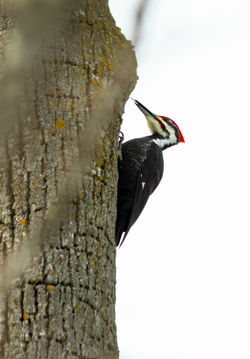 Pileated WoodpeckerA spectacular crow-sized giant that is not abundant, even in Algonquin Park, because it has specialized requirements. It eats carpenter ants and excavates deep inside dead trees. |  Winter Woods |  Large Sugar MapleSugar maples are deeper-rooted than most maples. They draw water from lower soil layers and release it into upper, drier soil layers. This not only benefits the tree itself, but also many other plants growing around it. |  Spring in the East End |  Northern Flicker in East EndRecent surveys indicate declines in population over much of the range since the 1960s. Habitat open forests and woodlots. |  Chickadee Gathering Seeds From SumacAlong with chickadees, blue jays, red-winged blackbirds, robins, catbirds, European starlings, Northern flickers, and downy woodpeckers eat the red berry clusters. |  Fall Snake PortraitSnakes in Ontario are quickly heading toward a population collapse because they're long-lived, meaning they take long to breed. Also, they often get killed on the road, because pavement is warm and they linger. |
 Ironwood Seeds in the FallIronwood has the densest, hardest wood of any native tree species |  Treehouse up High |  Ruby-crowned Kinglet in East EndThe Ruby-crown's song is jumbled and loud, out of proportion to the size of the bird. | 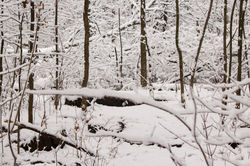 One Snowy Day |  Giant Maples |  Yellow Trout Lily |  Spring on the Trail |
 Squirrel with snowbeard |  Broken Tree |  Old and Young Trees |  Chippy on a Log |  Nuthatch |  Pretty Maple Leaves |  Black Squirrel |
 Hiking in the East End |  TrilliumIf a trillium survives disruption, it takes many years for it to regrow and produce seeds, slowing down the population growth. |  Dog Tooth VioletSome wild colonies can be as old as the trees around them — two or three hundred years! |  Black Cherry BlossomsAromatic tree; crushed foliage and bark have distinctive cherry-like odor. |  Sleepy Barred OwlThe Barred Owl’s hooting call, “Who cooks for you?” is often heard in old forest. |  Grey Squirrel |  ChickadeePrefers deciduous forests with birches and alders. |
 Staghorn Sumac |  Spring Buds |  Garter SnakeA population decline in snakes would mean more rodents and pests in our community. |  Cute Dog on the Trail |  Icy Trail |  Birch TreesBirch trees are lighter-coloured, broad-leafed trees that reflect more sunlight back into space. |  Winter BirchesAspen/birch ecosystems are extremely important to wildlife, providing habitat for over a hundred species of mammals and birds. |
 Old Maple | 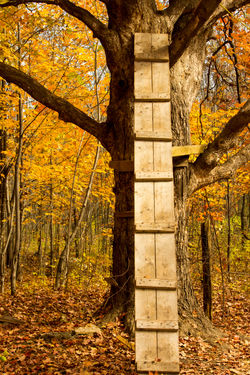 Treehouse |  White Ash in Early FallEmerald Ash Borer threatens white ash throughout its range |  Trilliums |  Downy Woodpecker Closeup |  Woodland Serenity | 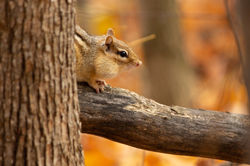 Chipmunk with Full PouchesThey will move into your yard if you take away their home. |
 Squirrel gathering SeedsSquirrels are important ecosystem engineers. They take seeds and plant them elsewhere, which may germinate into new trees. | 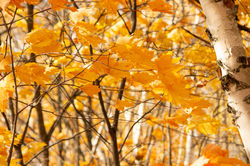 Fall Leaves |  Rocks and Trilliums |  Curious Fall Squirrel |  Trout Lily Field |  Barred Owl PortraitBarred Owls don’t migrate, and they don’t even move around very much. They usually don't move more than 6 miles away. |  Staghorn Sumac in the Fall |
 Eastern CommaOlder caterpillars make daytime shelters by pulling leaf edges together with silk. |
bottom of page